The Future of Computer Vision: Key Predictions
Computer vision is rapidly evolving, transforming industries from healthcare to manufacturing. The advancements in AI and machine learning are driving unprecedented capabilities, making it essential to understand what the future holds. Will computer vision become seamlessly integrated into our daily lives, anticipating our needs before we even realize them?
1. Advancements in 3D Computer Vision
One of the most significant areas of growth in computer vision technology is in the realm of 3D. While 2D image recognition has become relatively commonplace, truly understanding and interacting with the world in three dimensions presents a new frontier. Expect to see more sophisticated applications that leverage depth perception and spatial understanding.
Specifically, look for the following:
- Improved Robotics: Robots equipped with advanced 3D vision will be able to navigate complex environments, manipulate objects with greater precision, and perform intricate tasks in manufacturing, logistics, and even surgery.
- Enhanced Augmented Reality (AR): 3D computer vision will enable more realistic and immersive AR experiences. Imagine AR applications that can accurately overlay virtual objects onto the real world, taking into account depth, occlusion, and lighting conditions.
- Autonomous Vehicles: Self-driving cars rely heavily on 3D computer vision to perceive their surroundings, detect obstacles, and navigate safely. Continued advancements in this area will be crucial for the widespread adoption of autonomous vehicles.
We’re already seeing hints of this with advancements in LiDAR technology and the development of more powerful and efficient algorithms for 3D reconstruction. Intel, for example, has been heavily investing in its RealSense technology, which provides depth sensing capabilities for a wide range of applications. These technologies are becoming more accessible and affordable, paving the way for broader adoption.
According to a recent report by Gartner, the market for 3D computer vision is projected to reach $25 billion by 2030, driven by the increasing demand for robotics, AR/VR, and autonomous vehicles.
2. The Rise of Embedded Computer Vision
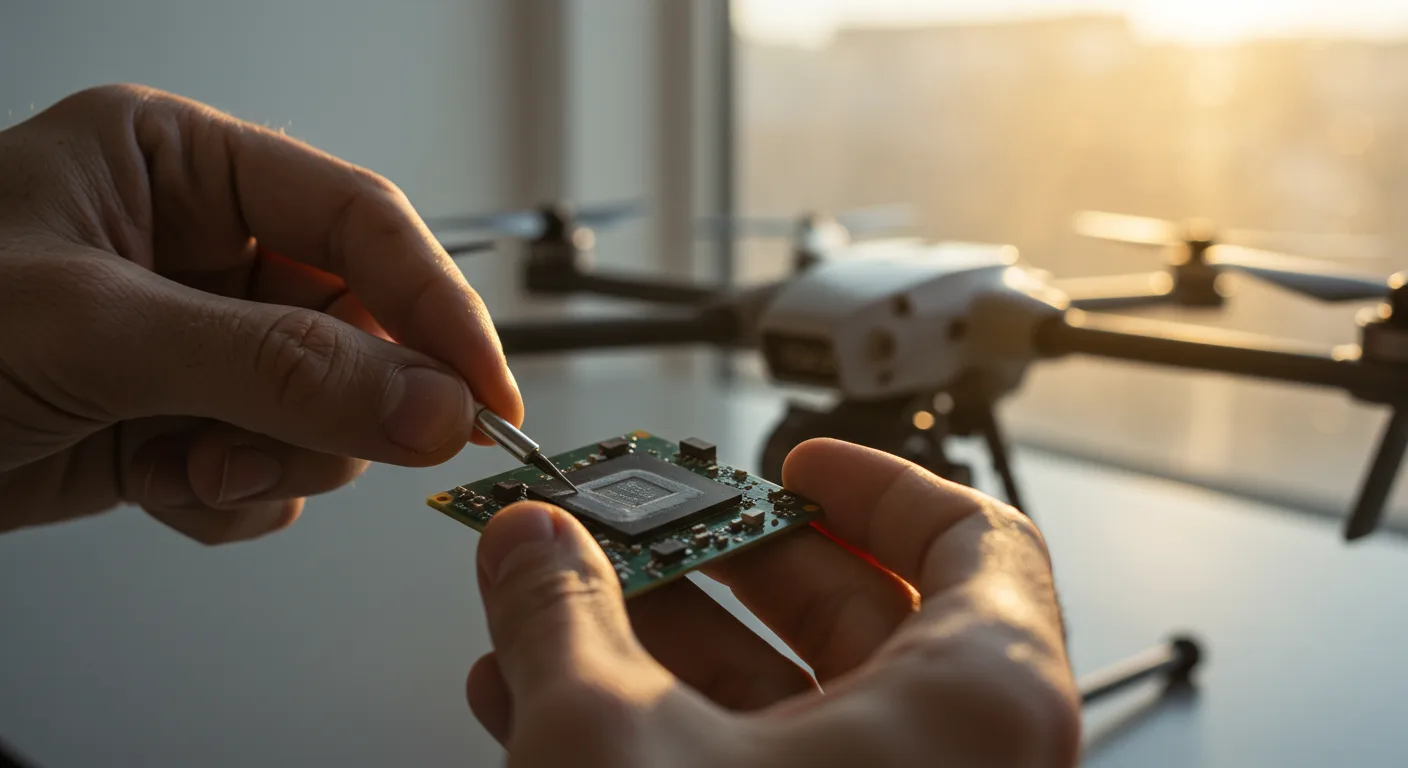
Embedded computer vision refers to the integration of computer vision capabilities into small, low-power devices. This trend is driven by the increasing availability of powerful processors and specialized AI chips designed for edge computing. Expect to see a proliferation of devices with built-in computer vision capabilities, enabling real-time analysis and decision-making without relying on cloud connectivity.
Examples of embedded computer vision applications include:
- Smart Cameras: Security cameras that can automatically detect and identify threats, trigger alarms, and even track individuals in real-time.
- Wearable Devices: Smart glasses and other wearable devices that can provide contextual information based on what the user is seeing.
- Industrial Automation: Machines that can autonomously inspect products for defects, optimize processes, and prevent accidents.
The key advantage of embedded computer vision is its ability to process data locally, reducing latency, improving privacy, and enabling operation in environments with limited or no internet connectivity. Companies like Nvidia are leading the way with their Jetson platform, which provides a powerful and flexible platform for developing embedded computer vision applications.
3. Computer Vision in Healthcare
The healthcare industry is poised to be revolutionized by computer vision applications. From diagnosing diseases to assisting surgeons, computer vision has the potential to improve patient outcomes, reduce costs, and enhance the efficiency of healthcare providers.
Here are some specific examples:
- Medical Imaging Analysis: Computer vision algorithms can analyze medical images such as X-rays, CT scans, and MRIs to detect anomalies, diagnose diseases, and track treatment progress. This can help radiologists make more accurate and timely diagnoses.
- Surgical Assistance: Computer vision can be used to guide surgeons during complex procedures, providing real-time feedback and assisting with tasks such as navigation and tissue identification.
- Remote Patient Monitoring: Computer vision can be used to monitor patients remotely, detecting signs of deterioration and alerting healthcare providers to potential problems.
The use of computer vision in healthcare is still in its early stages, but the potential benefits are enormous. As algorithms become more sophisticated and data sets grow larger, expect to see a wider adoption of computer vision in healthcare settings.
4. The Democratization of Computer Vision Tools
In the past, developing computer vision solutions required specialized expertise and significant resources. However, the rise of cloud-based platforms and open-source tools is making computer vision more accessible to a wider range of users. This democratization of computer vision will accelerate innovation and lead to new and unexpected applications.
Platforms like Amazon Web Services (AWS), Google Cloud, and Microsoft Azure offer pre-trained computer vision models and development tools that can be used to build custom applications without requiring deep expertise in machine learning. Open-source libraries like TensorFlow and PyTorch provide a flexible and powerful framework for developing custom computer vision algorithms.
This trend is empowering citizen developers and small businesses to leverage the power of computer vision to solve problems and create new opportunities. We’ll see more niche applications emerge, tailored to specific industries and use cases.
5. Addressing Ethical Concerns and Biases
As computer vision technology becomes more pervasive, it’s crucial to address the ethical concerns and potential biases associated with its use. Computer vision algorithms are trained on data, and if that data reflects existing biases in society, the algorithms will perpetuate those biases. This can lead to unfair or discriminatory outcomes in areas such as facial recognition, law enforcement, and hiring.
To mitigate these risks, it’s essential to:
- Ensure Data Diversity: Training data should be representative of the population it will be used on. This means collecting data from diverse sources and carefully auditing it for biases.
- Develop Explainable AI: It’s important to understand how computer vision algorithms make decisions. Explainable AI techniques can help to identify potential biases and ensure that algorithms are fair and transparent.
- Establish Ethical Guidelines: Clear ethical guidelines and regulations are needed to govern the use of computer vision technology. These guidelines should address issues such as privacy, security, and fairness.
The responsible development and deployment of computer vision technology requires a collaborative effort involving researchers, developers, policymakers, and the public. By addressing ethical concerns and mitigating biases, we can ensure that computer vision is used to benefit society as a whole.
6. The Convergence of Computer Vision and Natural Language Processing (NLP)
Looking ahead, one of the most exciting trends is the convergence of computer vision and NLP. Combining the ability to “see” and “understand” the world opens up a whole new realm of possibilities.
Consider these applications:
- Visual Question Answering: Systems that can answer questions about images and videos, combining visual understanding with natural language reasoning.
- Image Captioning: Automatically generating descriptive captions for images, providing valuable context for users and search engines.
- AI-Powered Assistants: Creating more intelligent and intuitive AI assistants that can understand both visual and textual input, enabling more natural and seamless interactions.
This convergence is being driven by advances in deep learning and the development of multimodal models that can process both visual and textual data. We’re moving towards a future where computers can not only see the world but also understand it in a more nuanced and human-like way.
What are the biggest challenges facing computer vision in 2026?
One of the biggest challenges is dealing with adversarial attacks, where subtle modifications to images can fool computer vision algorithms. Another challenge is the need for more robust and generalizable models that can perform well in a variety of environments and conditions.
How is computer vision being used in retail?
Computer vision is being used in retail for a variety of applications, including inventory management, customer tracking, and theft detection. It can also be used to personalize the shopping experience and improve customer satisfaction.
What programming languages are most commonly used in computer vision?
Python is the most popular programming language for computer vision, due to its extensive libraries and frameworks such as OpenCV, TensorFlow, and PyTorch. C++ is also commonly used for performance-critical applications.
What is the role of edge computing in the future of computer vision?
Edge computing is crucial for enabling real-time computer vision applications in environments where cloud connectivity is limited or unreliable. It allows for data processing to occur locally on devices, reducing latency and improving privacy.
How can I learn more about computer vision?
There are many online courses, tutorials, and books available on computer vision. Platforms like Coursera and Udacity offer comprehensive courses on the subject. Additionally, exploring open-source libraries and participating in online communities can be valuable for learning and networking.
The future of computer vision is bright, filled with potential to transform industries and improve lives. From 3D perception to ethical considerations, the advancements are both exciting and require careful navigation. By staying informed and embracing responsible development, we can harness the power of computer vision for the betterment of society. Start exploring open-source tools and experimenting with pre-trained models to gain hands-on experience and prepare for the opportunities ahead.



